 Ukrainian Catholic ChurchAustralia, New Zealand and Oceania
Homily by Protodeacon Edward Kostraby on the Second Sunday of the Great Lent
February 28, 2026
This Lent, let us reach out and break through the paralysis that surrounds our lives. Let us find ourselves in the arms of a merciful Father who is constantly waiting for us to come home. The only healing that lasts forever is the restoration of our relationship with God, to break the paralysis of sin and experience the freedom Jesus offered the paralytic, this Sacrament of Reconciliation, is a practical way to make Lent a reflective, meditative and a time of repentance.
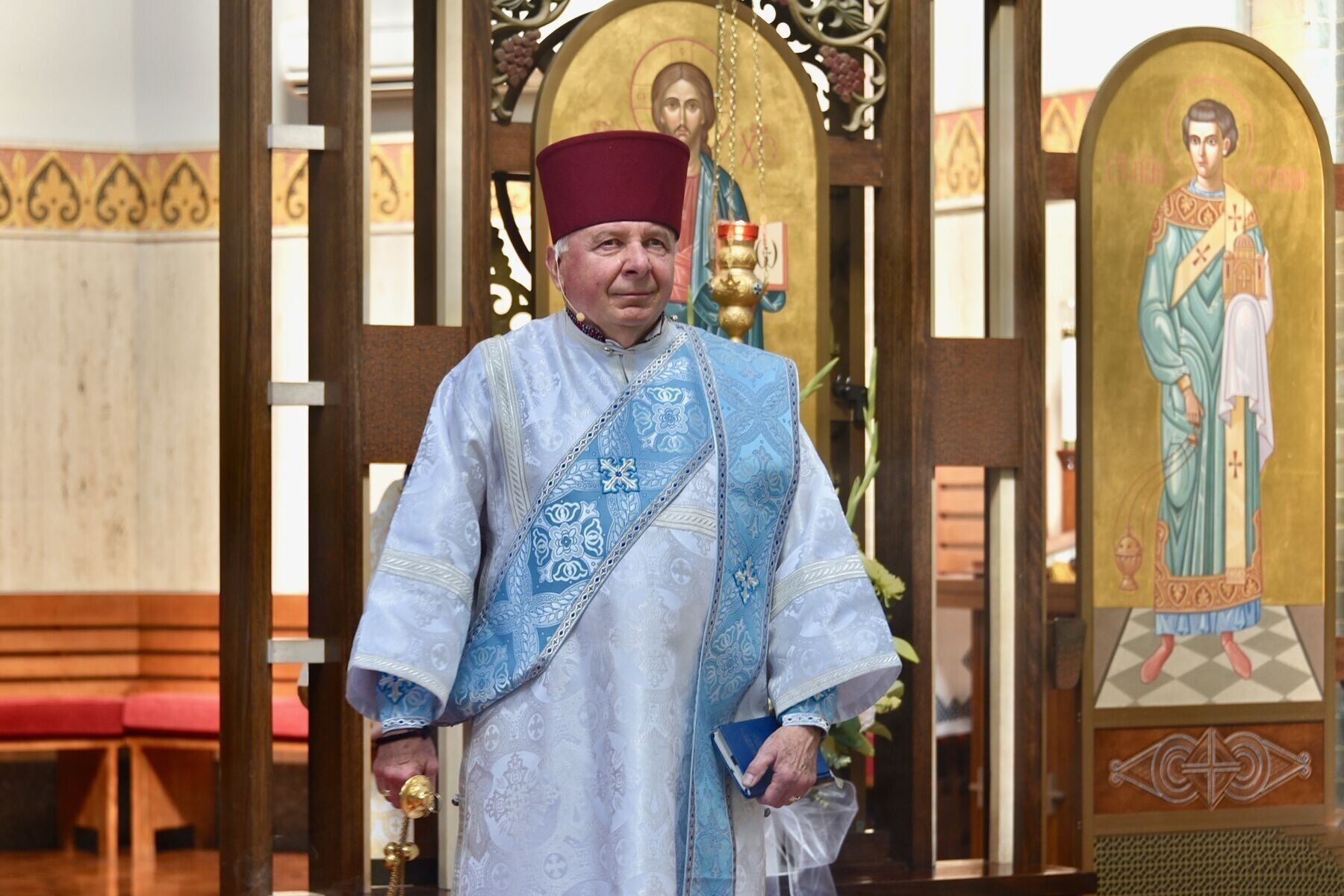
This Sunday marks the 2 nd Sunday of Lent, the season of repentance, penance, prayer and meditation, 5 weeks before Easter. It is an extended time of preparation with many more liturgical services and some form of fasting, restricting one’s food intake. Services during this time are sombre remembering the departed, gospel readings reminding us of forgiveness, having faith and being healed. Today’s reading brings to life the condition of paralysis, a condition that many of us would consider a living death, but it is also a parable, a story used to illustrate a spiritual lesson.
In this season, we are called to confront the “dead weight” in our own lives, those parts of our life that have become paralysed by habit, fear, despair and a recognition of inflexibility of thinking or being stuck in the same behavioural traps.
We hear of the extraordinary efforts expended by the man’s friends, their resourcefulness to overcome obstacles such as the crush of people listening to Jesus, the opening of the roof, the lifting of “dead weight”, then lowering of that weight down in front of Jesus without any mishaps. These are acts of great faith. His paralysis moving other people to volunteer, making themselves available to help the man, and reveals how the faith of a community can lead others around them to healing.
The reading then focuses on Jesus’ identity and authority. Jesus recognises the faith put in him by these people and that of the paralytic, so without being asked anything, he first forgives the paralytics sins and reads the thoughts of the scribes and pharisees, who find this action of forgiveness, blasphemous. Jesus then demonstrates his powers, by healing, getting rid of the paralytic’s disease and the man walks. This healing confirms the complete renewal of an individual. He does not begin by healing the man’s legs; He begins by healing his soul, saying, “Son, your sins are forgiven.”
To a world focused on the physical, this priority seems misplaced. But we must ask — what is the greater need? If this life is all there is, then walking is the most important benefit for the duration of our natural life (approximately 85 years). If we believe in a future with God beyond the grave, then forgiveness is the most vital need, as its benefits reach into eternity. This story is illustrating profound spiritual truths.
Are we then not in some sort of spiritual paralysis, has it not shaped our personality? Lent is a fixed time in the Christians annual life, an inner journey spending some time contemplating forgiveness and mercy. It is looking for a fresh start in this life and beyond. Each year, we are asked to begin again, for every year we fall away from our Christian heritage and are asked every year to have another look at ourselves and give it another try, to break the paralysis of the same traps of behaviour, our inflexibility of thinking we find ourselves in, for God is so merciful he constantly waits for us to return to him. Forgiveness and renewal of relationships and reconciliation with God is always available to us, however, if we show no signs of wanting to be healed, then we will continue to be paralysed in the same rut as before.
Like the paralytic, we should know from faith that our sins are forgiven, and that’s what really matters. If we are healed physically too, that’s an added blessing. But we should remember that the paralytic died. Lazarus, who was raised from the dead, died. Every person who was ever physically healed, eventually died, and unless Jesus comes back before we die, we’ll also die, whether we were ever healed of a disease or not. Physical healing is a temporary blessing; reconciliation with God is an eternal one.
Sometimes, though, we wish we did have a sign, because we fall into doubt about the things God has told us. We sometimes doubt whether God really loves us. We often doubt whether God really has forgiven us. Sometimes we even doubt, though we hate to admit it whether God is really there at all.
We often struggle with doubt. We doubt God’s love, His presence, and His willingness to forgive sinners like us. This is why Lent is a vital time for Confession and Reconciliation, a sacrament often ignored, but through this sacrament, we receive the certainty that our sins no longer exist, our sins are cancelled.
This Lent, let us reach out and break through the paralysis that surrounds our lives. Let us find ourselves in the arms of a merciful Father who is constantly waiting for us to come home. The only healing that lasts forever is the restoration of our relationship with God, to break the paralysis of sin and experience the freedom Jesus offered the paralytic, this Sacrament of Reconciliation, is a practical way to make Lent a reflective, meditative and a time of repentance. Just as the paralytic stood up and walked to a renewed life, one leaves the confessional with a clean slate, a renewed life.
Pope Francis wrote during the Year of Mercy in 2016: “What the Father awaits more than anything is for His sons and daughters to return home.” This home is always open to us, forgiveness, compassion, and reconciliation are there for us.