 Ukrainian Catholic ChurchAustralia, New Zealand and Oceania
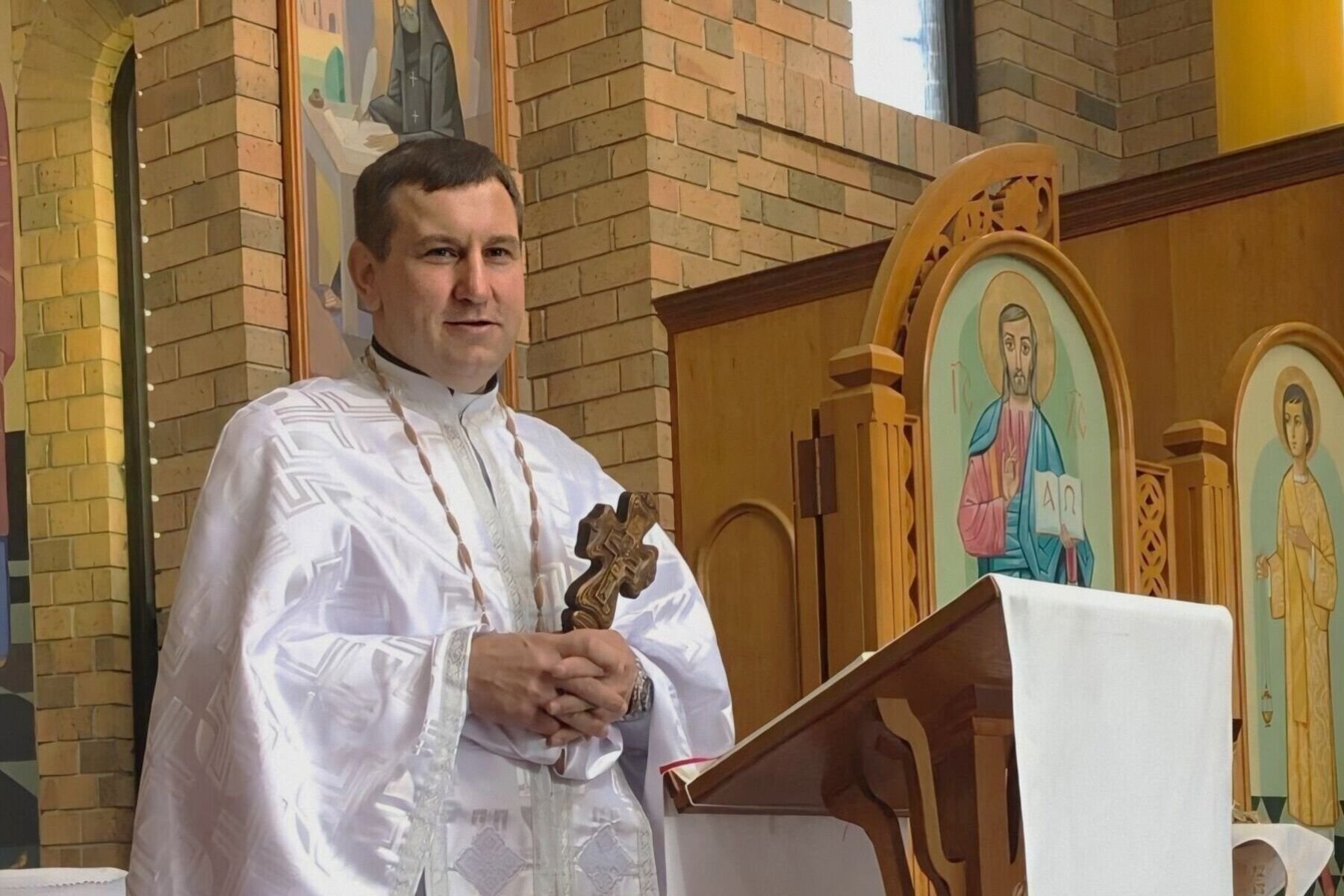
Homily by Fr. Vasyl Motrichenko on the Twenty-fifth Sunday after Pentecost
November 29, 2025
Dear brothers and sisters in Christ, today we turn our attention to the figures of the priest, the Levite, and the Samaritan, but we may also reflect on where we ourselves might find ourselves in this situation: would we be able to help that wounded and beaten man as the Samaritan did? Or would we perhaps pass by as those who stood as guardians of truth and law?
“One day a lawyer stood up to put Jesus to the test, saying, ‘Teacher, what must I do to inherit eternal life?’” (Lk. 10:25).
In the name of the Father, and of the Son, and of the Holy Spirit. Amen.
Dear brothers and sisters in Christ, today we hear the words of Holy Scripture about a man who desires to inherit eternal and blessed life. Approaching Jesus, he seems to wait for an answer that will confirm his position and self-justification but receives something completely different — not what he expected.
In response, Christ directs his attention to the two commandments of love: love of God and love of neighbour. At times a person may show that they love God and keep His commandments, yet pay no attention to their neighbour. Seeing the heart of this man, Christ tells the story of one who fell into the hands of robbers and was in need of help. Who this man was, why he found himself in such a grave situation, where his relatives or friends were — we do not know; but we do know that the Lord did not abandon him without His care.
Various people passed by him — those who guarded God’s law and served God — yet because of their self-importance and preoccupation, they did not help him. The priest and the Levite knew God’s truth and observed all religious customs and therefore assumed that they loved God. But it is impossible to love God and serve Him while neglecting one’s neighbour in need. A Samaritan also passed along that road, and out of mercy he came to the man’s aid, bound his wounds, brought him to an inn, and took care of him. He spent his own money and time to help a stranger and told the innkeeper to take good care of him, promising that if the cost were greater, he would repay it upon his return.
Saint Augustine teaches us in his homily: “The robbers left you half-dead on the road, but the kindly Samaritan who passed by found you lying there. He poured wine and oil on you. You received the Sacrament of the Only-Begotten Son. You were lifted upon his mule. You believed that Christ became flesh. You were brought to the inn, and there you shall be healed.” (Aurelius Augustine, Sermon 179 A.7–8).
Dear brothers and sisters in Christ, today we turn our attention to the figures of the priest, the Levite, and the Samaritan, but we may also reflect on where we ourselves might find ourselves in this situation: would we be able to help that wounded and beaten man as the Samaritan did? Or would we perhaps pass by as those who stood as guardians of truth and law? At times people may understand and keep all the commandments and truths of the faith, yet lose the spirit of the law and fail to see God in their neighbour because they lack the spirit of love. Meanwhile, there are other people who do not know everything, but whose hearts are filled with sincerity, love, and mercy towards all. For love has no limits or borders. As Holy Scripture says, “This is my commandment, that you love one another as I have loved you. No one has greater love than this: to lay down one’s life for one’s friends” (Jn. 15:12–13).
Therefore, dear brothers and sisters in Christ, having the Good Samaritan as our example, let us hasten to do good; let us hasten to help all people so that no one may feel abandoned. Once Blessed Lubomyr said the following words: “It is not enough to be a good person; one must always do good.” So, according to the Gospel example of the Good Samaritan, let us do good—and in this we will fulfil the will of the Lord, for Jesus says, “Go, and do likewise.” Amen.